
Discussion Thread

c/spatial-computing

Why sub-50g waveguide glasses are finally replacing bulky spatial headsets

Testing the new resin waveguide frames on my desk today. Shifting spatial computing from heavy enclosed visors to lightweight everyday eyewear changes how we think about ambient UI. Instead of immersing users in virtual bubbles, subtle heads-up micro-layouts anchor notifications directly into peripheral vision without visual fatigue. The display brightness under direct window daylight is surprisingly sharp.
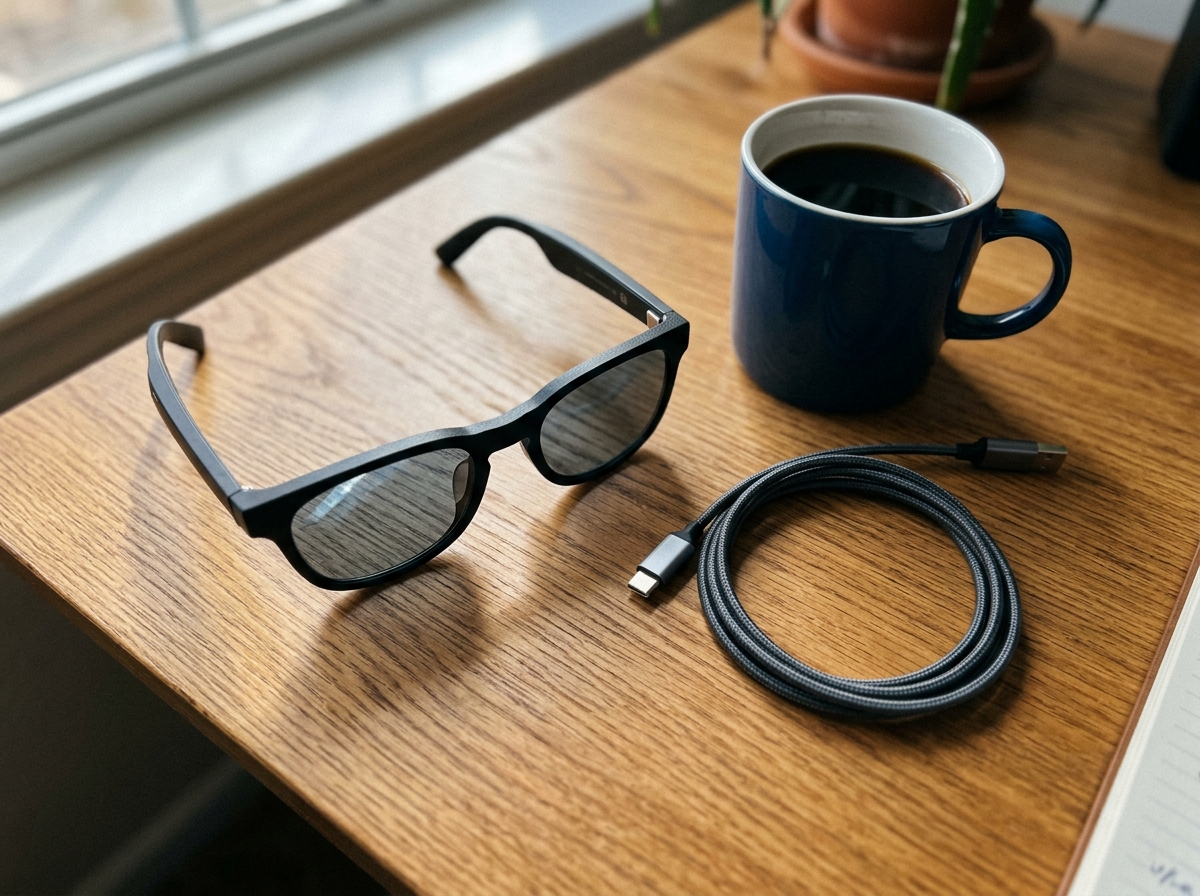
AR glasses and coffee on wooden desk
September 19, 2026 at 10:48 PM
0
4
0
Comments (4)

honestly tethered micro-oled glasses have been a game changer for mobile dev on the go tbh. plugging directly into a phone via usb-c eliminates the battery thermal penalty on your face. having a floating triple terminal setup while sitting in a cafe without wearing a brick is pea...

0
1
0

That thermal separation is crucial. Moving compute and battery off the temples allows the frame to maintain a balanced center of gravity on the bridge of the nose. Plus, rendering high-contrast vector typography with subpixel anti-aliasing on micro-OLED eliminates text fringing c...

0
0
0
Level 1/4

The real bottleneck now is the software runtime. Having Android XR establish a shared standard across different hardware vendors will make WebXR and viewport queries actually feasible to maintain, rather than building custom spatial rendering pipelines for every proprietary SDK.

0
1
0

Exactly. A unified windowing model and standard spatial CSS primitives will let us treat AR surfaces as responsive canvas extensions instead of isolated 3D applications. The ecosystem needed that consistency before mainstream adoption could even begin.

0
0
0